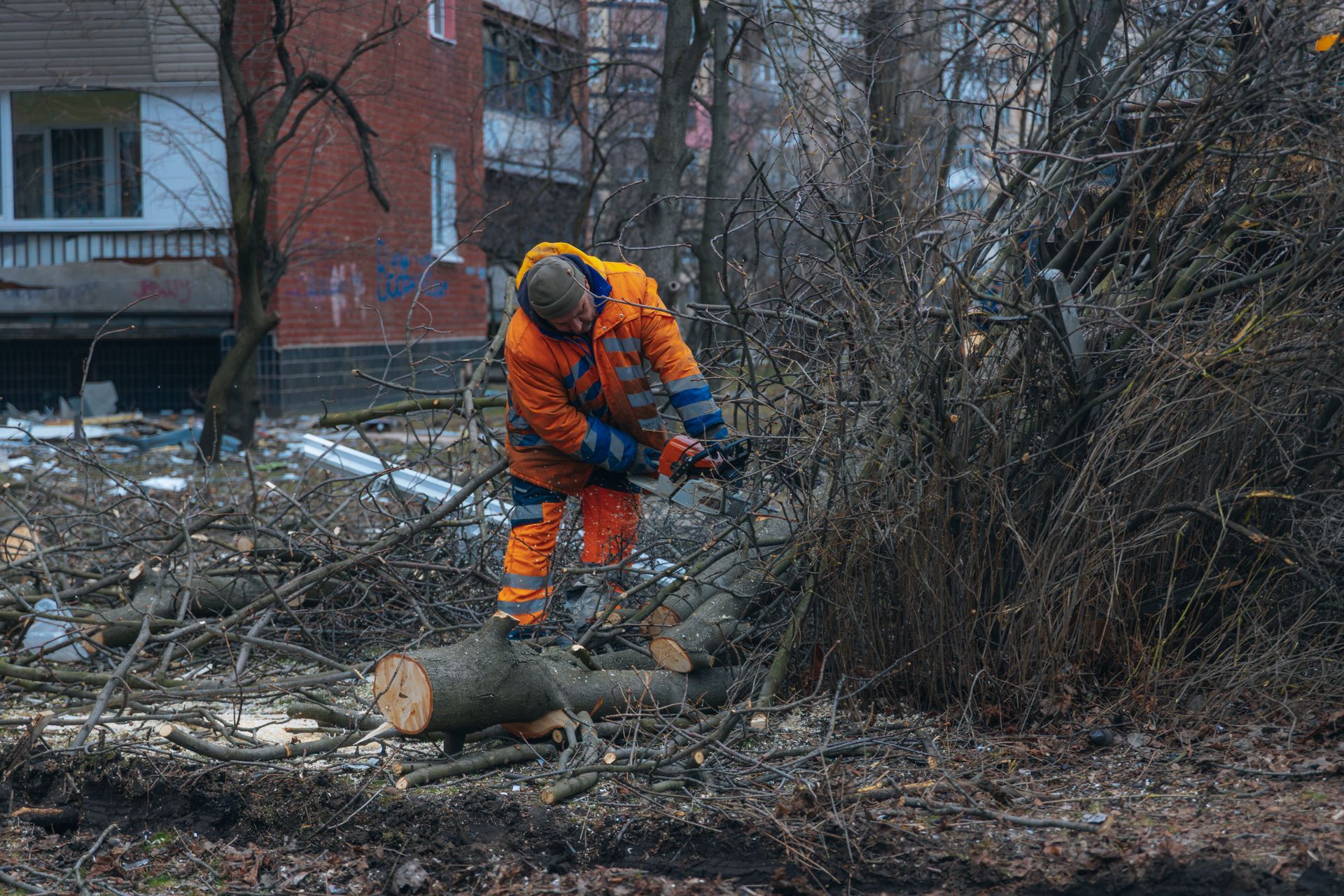
Storm damage tree cleanup in Pittsburgh, PA, handled by Greater Pitt Tree Service LLC. Certified, insured crews protect your claim. Call for a free estimate.
Tree service pros in Pittsburgh, PA, explain what’s happening under the concrete. Protecting Your Home from Tree Roots On the surface, your driveway might look like solid, unshakable concrete. But underneath, there’s a quiet tug-of-war going on between tree roots, soil, and your hardscape. One day, everything looks fine; the next year, you’re noticing hairline […]
The post Roots vs. Foundation: Solving the Invisible Battle Under Your Driveway appeared first on Greater Pitt Tree Service LLC.
Pittsburgh, PA, Arborists Share Tips to Care for Your Trees Could Your Tree Care Routine Be Doing More Harm than Good? Pittsburgh’s neighborhoods are full of beautiful, mature trees—towering oaks, maples that blaze with fall color, evergreens that hold their shape all winter. But mixed in with all that beauty is a lot of bad […]
The post Tree Care Myths Homeowners Should Stop Believing appeared first on Greater Pitt Tree Service LLC.
Pittsburgh, PA, Arborists Share Tips to Keep Your Trees Safe this Winter. Can You Keep Your Trees Protected in Harsh Winters? As fall settles in across Pittsburgh, most homeowners are busy raking leaves, shutting down outdoor faucets, and buttoning up their homes for the cold months ahead. But one part of your property that often […]
The post How to Prepare Your Pittsburgh Trees for Winter appeared first on Greater Pitt Tree Service LLC.
Tree Service Experts Share Advice to Protect Trees from Birds. How Can Birds Impact Your Tree Health? While Pittsburgh is home to many beautiful native bird species that support local ecosystems, some feathered visitors can actually pose a threat to the health and stability of your trees. Whether you manage a residential landscape or simply […]
The post Which Birds Cause Harm To Trees in Pittsburgh? appeared first on Greater Pitt Tree Service LLC.
Arborists in Pittsburgh, PA, Share Soil Aeration Tips All Homeowners Should Know. How to Keep Your Tree Soil Healthy When it comes to tree care, most homeowners focus on what’s visible, trimming branches, removing dead limbs, or checking for signs of disease. But there’s a vital part of tree health that happens underground and often […]
The post What’s Soil Aeration and Why’s It Important for Tree Health? appeared first on Greater Pitt Tree Service LLC.
Tree Service Experts in Pittsburgh, PA, Explain the Value of Arborist Reports. Do You Need an Arborist Report Before Your Next Home Project? Trees are more than just landscaping; they’re living investments that provide shade, beauty, and environmental benefits to homes and communities across Pittsburgh. But how do you know if a tree is healthy, […]
The post A Homeowner’s Guide to Arborist Reports? appeared first on Greater Pitt Tree Service LLC.
Tree Service Experts in Pittsburgh, PA, Share Tips for Spotting Pests in Your Yard What Plants and Pests Can Harm Your Home’s Landscape? Pittsburgh is known for its beautiful green spaces and vibrant neighborhoods, but that lush landscape can also be a haven for invasive plants and pests that threaten your trees and the overall […]
The post Invasive Plants & Pests in Pittsburgh To Look Out For appeared first on Greater Pitt Tree Service LLC.
Arborists in Pittsburgh, PA, Explain Who Is Responsible for Clearing Downed Trees. What to Do With Fallen Trees in Pittsburgh Fallen trees can cause major headaches for Pittsburgh homeowners, especially after a storm or unexpected event. If a tree comes crashing down onto a home, car, or property line, one of the first questions people […]
The post Who is Responsible for a Fallen Tree in Pittsburgh, PA? appeared first on Greater Pitt Tree Service LLC.
Arborists in Pittsburg, PA, Share Strategies to Remove Unwanted Trees. 5 Methods to Remove Unwanted Trees A homeowner might want to remove a tree for many reasons: it’s diseased, dangerously close to a structure, or simply an unwanted part of the landscape. But killing a tree isn’t as straightforward as it seems. Trees are resilient, […]
The post Do You Need an Expert to Kill a Tree? appeared first on Greater Pitt Tree Service LLC.